Why Choose JX Filtration's Water Intake Screen?
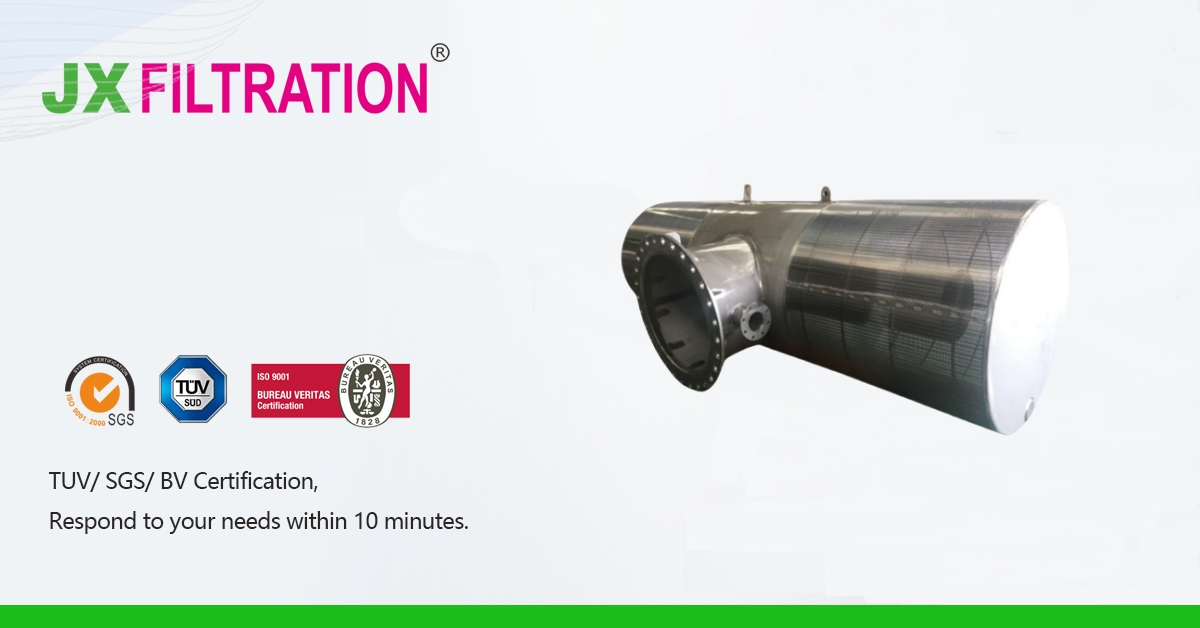
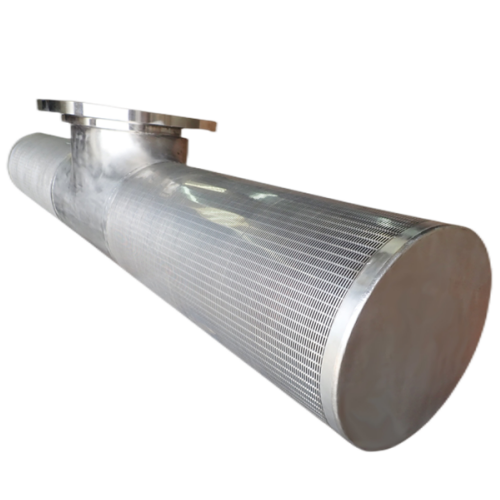
Water Intake Screen is a precision filtration device designed specifically for large water intakes. Its core mission is to intercept impurities at the source, protecting critical downstream equipment and systems. Far more complex than household filters, it is typically a large, automated, and even self-cleaning industrial-grade device. The following are its main application scenarios and the problems it solves.
1. Power Generation Industry
Scenario:
Power plants draw large quantities of seawater or freshwater from rivers, lakes, or the ocean to cool turbines.
Challenges Solved:
- Protecting Core Equipment: Preventing large debris such as aquatic plants, fish, shellfish, plastic, and resin from entering and clogging the tiny pipes in condensers and heat exchangers. Once clogged, coolant efficiency can drop dramatically.
- Preventing Biological Contamination: Especially with seawater intake, shellfish larvae and algae can enter the pipe system, colonize and multiply, and in severe cases, completely block the pipes. Intake screens are the first line of defense.
- Ensuring Operational Continuity: Modern intake screens are often equipped with automatic cleaning systems that operate continuously, ensuring continuous and stable operation of the power plant.
2. Municipal Water Supply and Desalination.
Scenario:
Waterworks draw water from surface water sources, while desalination plants draw water from the ocean.
Problems Solved:
- Protecting pumps and pretreatment systems: Intercepting coarse suspended solids to prevent them from damaging expensive high-pressure pumps and clogging subsequent fine filtration membranes.
- Improving pretreatment efficiency: Serving as the first physical barrier in water treatment, it reduces the processing load on subsequent sedimentation tanks and filters.
- Reducing chemical use: Physically removing most organic matter reduces the amount of chemical dosage required for subsequent disinfection and flocculation.
3. Aquaculture.
Scenario:
Large-scale recirculating aquaculture systems or coastal aquaculture facilities draw water from external water bodies.
Problems Solved:
- Protecting aquacultured organisms: Preventing stray fish, predators, large parasites, or harmful aquatic organisms from entering the aquaculture area, ensuring the safety of commercial fish and shrimp.
- Maintaining system cleanliness: Intercepting debris such as leaves and weeds to prevent them from entering the aquaculture ponds, where they decompose, consume oxygen, and degrade water quality.
4. Flood Control and Irrigation.
Scenario:
Large-scale pumping stations draw water from rivers or reservoirs for irrigation or regional drainage and flood control.
Problems Solved:
- Protecting pump impellers: Preventing floating wood, plastic bags, aquatic plants, and other debris from entangled or striking the high-speed pump impellers.
- Ensuring drainage capacity: Maintaining clear water intakes in flood control pumping stations is crucial for ensuring rapid drainage during heavy rains.
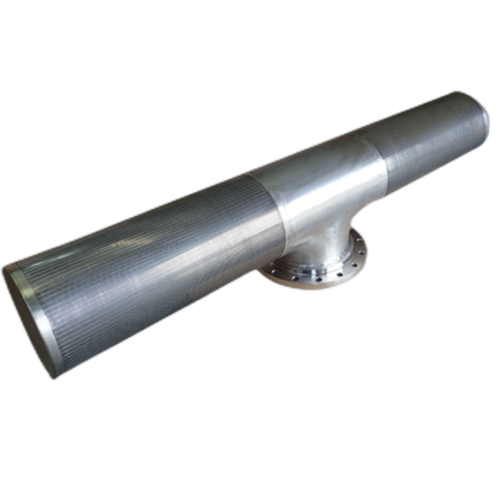
Water intake screens are essential "gatekeepers" for many industries that rely on large-scale water use. While they don't participate in the core production process themselves, their absence renders these processes extremely vulnerable and costly.
Any requirements, contact us now!
Nina
Email: nina@filtrationchina.com
Mobile/Whatsapp/WeChat:+86 172 6957 1060